
The first humanoid robot built for warfare
PLUS: Tether's $1.2B bet on humanoids, AI scribes in hospitals, and rugged outdoor robots
Welcome back to your Robot Briefing
Foundation's Phantom MK-1 has become the first humanoid robot explicitly designed for combat, tackling reconnaissance and bomb disposal while keeping humans in control of firing decisions through teleoperation. This breaks sharply from the industry consensus, where most robotics companies have pledged to avoid weaponization.
As autonomous capabilities advance, will the emphasis on human oversight be enough to address the ethical concerns of putting humanoids on the battlefield?
In today's Robot update:
The First Combat Humanoid

Image Source: Gemini 2.5 Flash Image
Snapshot: San Francisco startup Foundation has unveiled the Phantom MK-1, a 5'9" humanoid robot explicitly designed for warfare, including reconnaissance and bomb disposal, breaking ranks with other firms that have pledged not to weaponize their tech.
Breakdown:
Takeaway: This marks the first time a robotics company has openly embraced military applications for humanoid technology, setting a new precedent in an industry where most players have avoided weaponization. The emphasis on human oversight for lethal decisions reflects an attempt to balance autonomous capabilities with ethical guardrails as combat robots move from concept to reality.
Tether's $1.2B Robotics Bet
Snapshot: Crypto giant Tether is in talks to lead a massive $1.2 billion funding round for German AI startup Neura Robotics, a deal that would value the humanoid robot maker at up to €10 billion.
Breakdown:
Takeaway: This deal signals how crypto wealth is flowing into physical robotics infrastructure at unprecedented scale. If successful, it could accelerate the timeline for humanoid robots reaching factories and homes while establishing new patterns for how digital asset companies diversify into hardware innovation.
Colombia's AI Hospital Takeover
Snapshot: Colombian hospitals are deploying AI-powered clinical scribes, autonomous drones for logistics, and advanced robotic systems for surgery, marking a significant digital transformation across the country's healthcare facilities.
Breakdown:
Takeaway: These technologies allow Colombian healthcare workers to spend more time on direct patient care while improving surgical precision and safety outcomes. Colombia positions itself as a regional leader in medical technology adoption, with Bucaramanga emerging as a hub for healthcare innovation.
The Rugged Humanoid Race
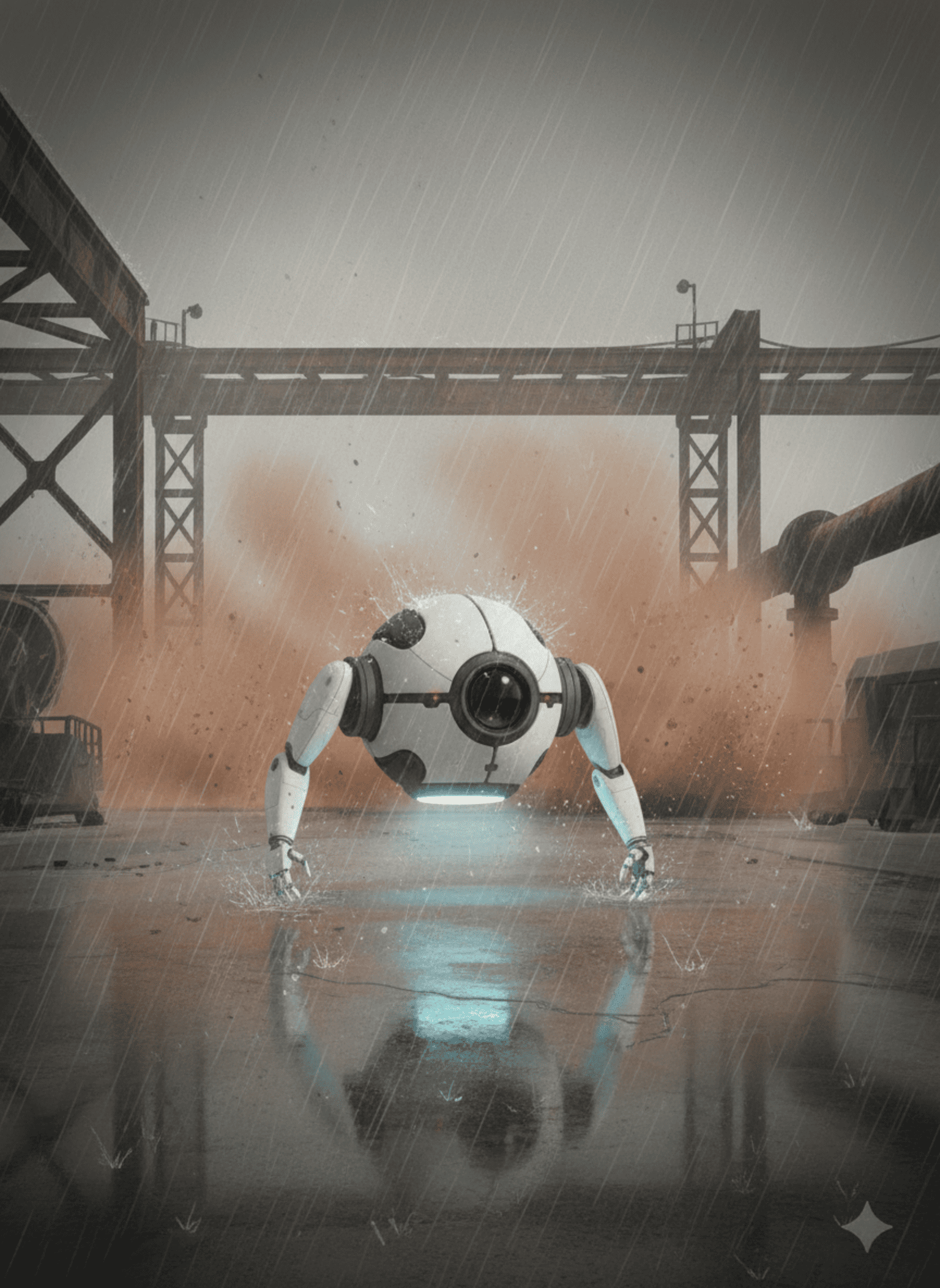
Image Source: Gemini 2.5 Flash Image
Snapshot: A new analysis comparing China's leading humanoid robots reveals DEEP Robotics' DR02 as the frontrunner for outdoor industrial applications, thanks to its IP66 weatherproofing and ability to operate in temperatures from -20°C to 55°C.
Breakdown:
Takeaway: The humanoid robot market is shifting from technical demonstrations to solving real industrial problems. Companies that match their robots to specific operational needs—like outdoor durability and fast maintenance—will capture meaningful share of the projected 75 billion RMB Chinese market by 2030.
Other Top Robot Stories
Markets project the agricultural robots sector will surge from $17.73 billion in 2025 to $56.26 billion by 2030, driven by precision farming adoption and AI-enabled autonomous systems for planting, harvesting, and crop monitoring across global farms.
Russia's unveiled AIDOL humanoid robot spectacularly face-planted on stage during its Moscow debut this week, stumbling just seconds after entering to the Rocky theme song and exposing the country's significant gap behind robotics leaders like Boston Dynamics.
Morgan Stanley predicts the humanoid robot market could exceed $5 trillion by 2050, though household adoption will remain conservative with only 80 million units in homes as prices must decline substantially and society must accept their widespread use.
Figure's challenged the authenticity of UBTECH's viral video showing hundreds of Walker S2 robots marching in formation, with CEO Brett Adcock claiming inconsistent lighting reflections reveal CGI rather than real machines, highlighting transparency concerns in robotics marketing.
🤖 Your robotics thought for today:
What if the next breakthrough in robotics isn't about making them smarter, but about making them better listeners to what humans actually need?
P.S. What's your take on this?
Until tomorrow,
Uli


